Identifying Plants and Objects From Photos: Nine Real Runs
By Junaid Aslam. 7 min read. Updated .
Identify mode returned the right name for the sunflower and the right object class for the chess pieces in all three runs each. For the third subject it returned the same wrong name in all three runs, always with High confidence. We ran each photo three times on 2026-11-16 and kept all nine outputs.
The test used the Identify From a Photo page. The prompt came from _modes.ts (IDENTIFY_PROMPT). Each photo is 1024 px on the long edge and saved as WebP. Each request ran against a fresh dev server, so the route's in-memory response cache was empty every time. All nine requests went to Google Gemini and returned a 200.
A High label did not separate the right names from the wrong one. All nine runs said High.
The three photos
All three files are CC0. The credit under each photo links to the file page, where we checked the license on 2026-11-16. No photo has a recognizable person.
Monarch butterfly
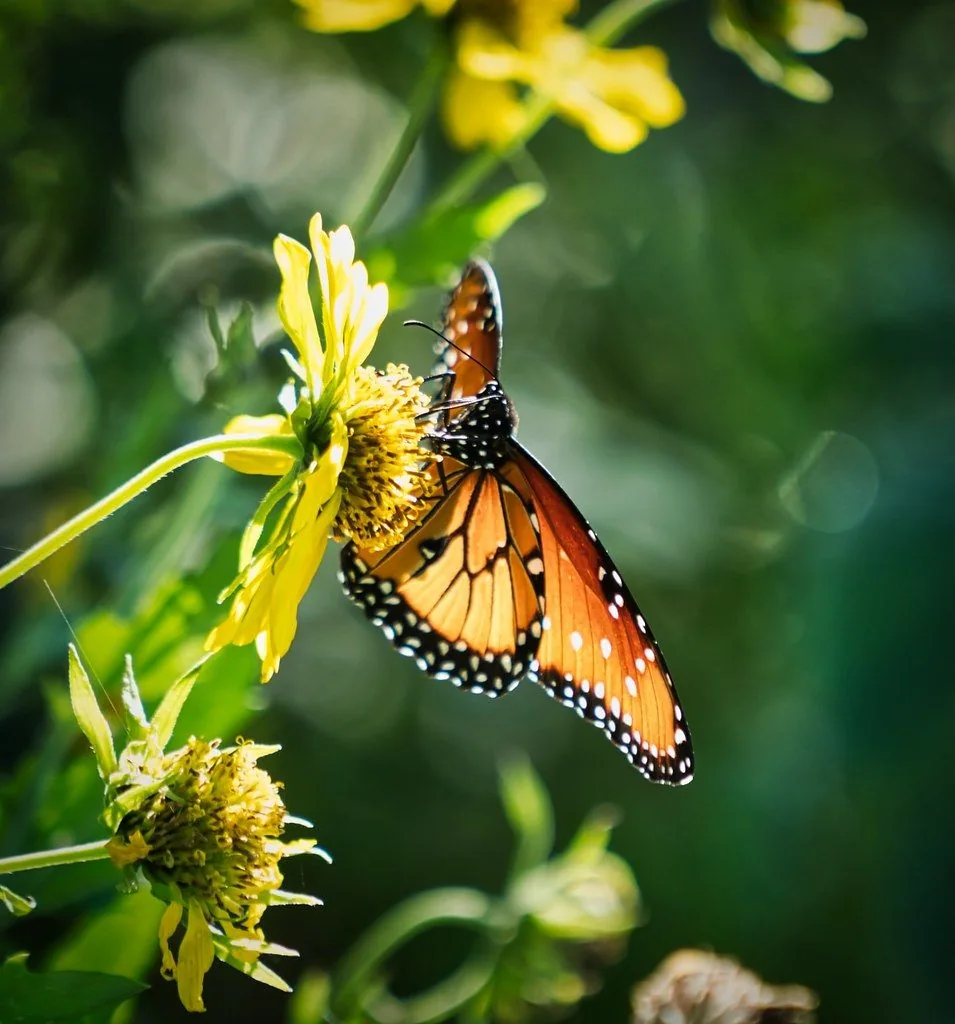
The file page calls this photo Monarch Butterfly. The upper wing surface has black veins across orange cells. Wikipedia describes the monarch the same way: tawny orange upper wings with black veins and margins.
Common sunflower
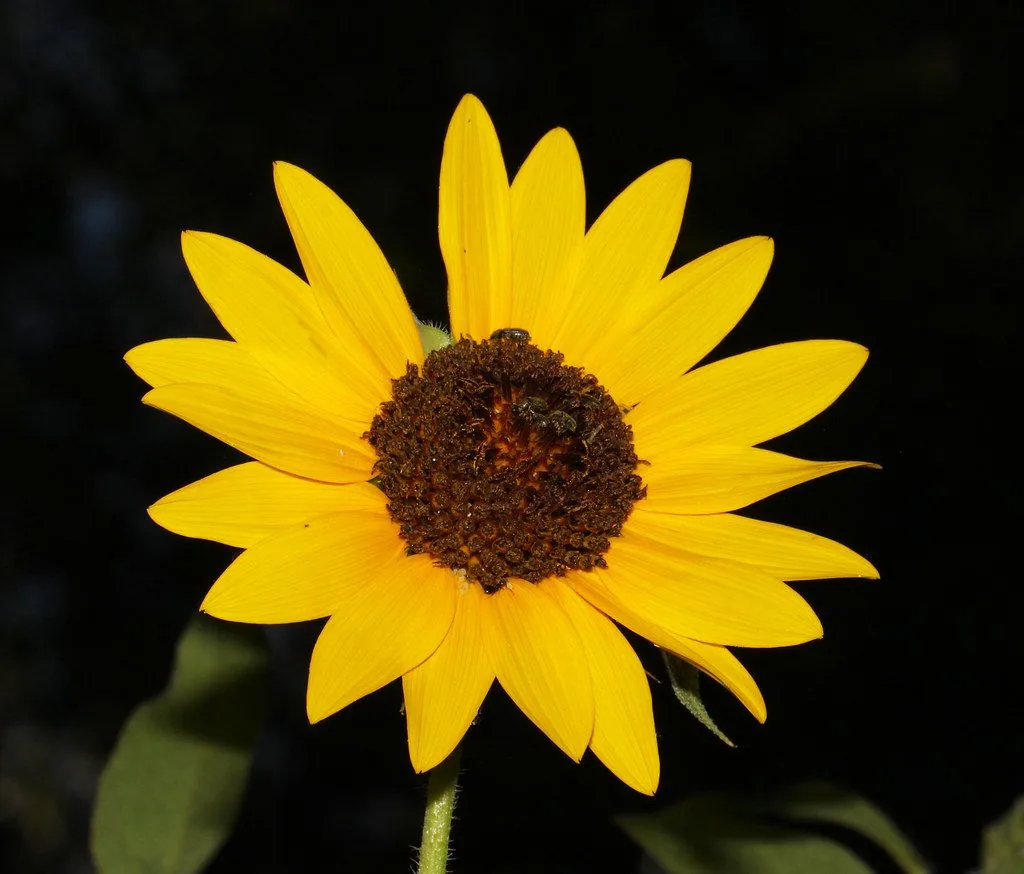
The file page title gives the common name and the species: SUNFLOWER, COMMON (Helianthus annuus). Wikipedia describes the common sunflower as a large annual in the daisy family with yellow-orange flower heads.
Wooden chess pieces
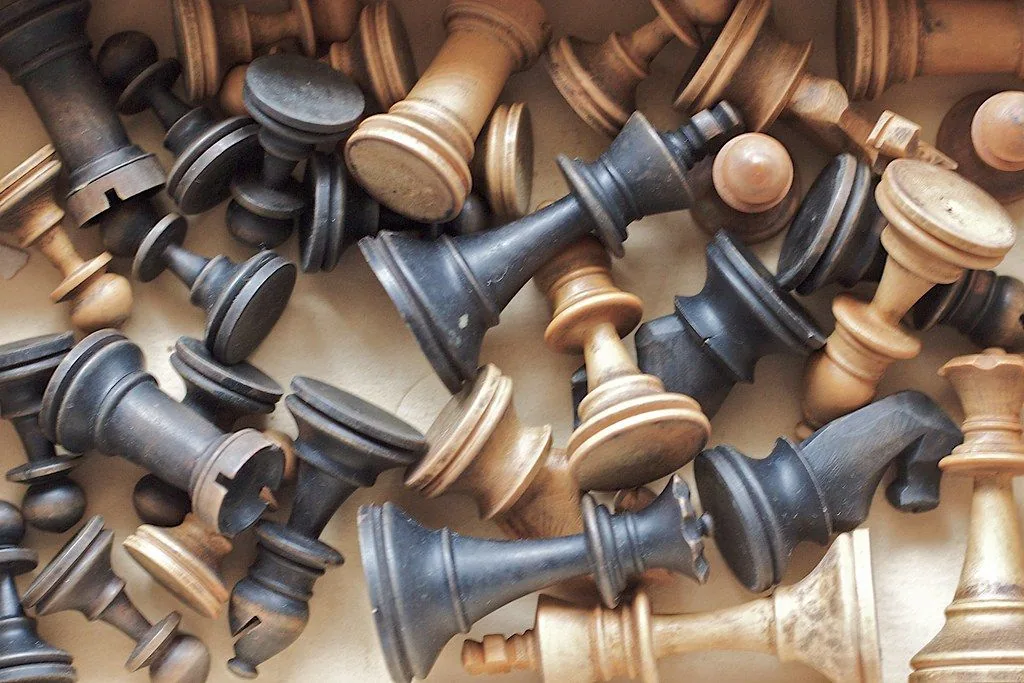
The file page calls this a wooden chess set. The pieces sit in a pile, and the frame shows no board.
Every run
| Subject | True name | Run 1 | Run 2 | Run 3 | Verdict |
|---|---|---|---|---|---|
| Monarch butterfly | Monarch butterfly (Danaus plexippus) | Queen butterfly, High | Queen butterfly, High | Queen butterfly, High | Wrong in 3 of 3 |
| Sunflower | Common sunflower (Helianthus annuus) | Sunflower (Helianthus annuus), High | Sunflower (Helianthus annuus), High | Sunflower (Helianthus), High | Right in 3 of 3 |
| Chess pieces | Wooden chess pieces | Staunton pattern chess pieces, High | Staunton-style wooden chess pieces, High | Staunton-style wooden chess pieces, High | Object right, pattern not checked |
The monarch came back as a queen
All three runs named the queen butterfly (Danaus gilippus). The queen is a real species in the same genus, so the answer is plausible. It is still wrong for this photo. The first run:
IDENTIFY_NAME: Queen butterfly (Danaus gilippus)
IDENTIFY_CONFIDENCE: High
IDENTIFY_FEATURE_1: Dark brown or orange-brown wings with black veins
IDENTIFY_FEATURE_2: Prominent white spots along the black wing margins
IDENTIFY_FEATURE_3: Distinctive white spots on the black head and thorax
IDENTIFY_NEXT_STEP: Observe if it is feeding on milkweed or nectar-rich flowers to confirm its habitat preferences.
The second run gives a reason that the photo contradicts:
IDENTIFY_NAME: Queen butterfly (Danaus gilippus)
IDENTIFY_CONFIDENCE: High
IDENTIFY_FEATURE_1: Orange wings with black borders and white spots
IDENTIFY_FEATURE_2: Absence of black veins in the orange wing cells
IDENTIFY_FEATURE_3: White spots on the black wing borders
IDENTIFY_NEXT_STEP: Queen butterflies are often confused with Monarchs; look for the lack of black veins to distinguish them.
The photo shows black veins across the orange wing cells. The reply says those cells have no black veins. That is the opposite of the image. The third run repeats the claim:
IDENTIFY_NAME: Queen butterfly (Danaus gilippus)
IDENTIFY_CONFIDENCE: High
IDENTIFY_FEATURE_1: Orange wings with black borders and white spots
IDENTIFY_FEATURE_2: Dark brown wing veins with white spots on the forewing tips
IDENTIFY_FEATURE_3: Distinctive lack of thick black veins seen in Monarch butterflies
IDENTIFY_NEXT_STEP: Observe if the butterfly has a scent patch (androconia) on its hindwings to confirm it is a male.
The next step names the exact check that would settle the question. The model did not apply that check to its own answer. A reader who reads only the name and the confidence label has no reason to doubt it.
The sunflower held at species and genus
Two runs returned the species from the file page. The first run:
IDENTIFY_NAME: Sunflower (Helianthus annuus)
IDENTIFY_CONFIDENCE: High
IDENTIFY_FEATURE_1: Bright yellow ray florets
IDENTIFY_FEATURE_2: Dark brown central disc composed of many small florets
IDENTIFY_FEATURE_3: Presence of small insects pollinating the center
IDENTIFY_NEXT_STEP: Sunflowers thrive in full sun and typically require at least 6-8 hours of direct light daily.
The third run stopped at the genus:
IDENTIFY_NAME: Sunflower (Helianthus)
IDENTIFY_CONFIDENCE: High
IDENTIFY_FEATURE_1: Bright yellow ray florets arranged in a radial pattern
IDENTIFY_FEATURE_2: Dark brown central disc composed of numerous individual disk florets
IDENTIFY_FEATURE_3: Presence of small insects pollinating the central disk
IDENTIFY_NEXT_STEP: Sunflowers are heliotropic, meaning their buds track the sun's movement across the sky throughout the day.
Both answers are correct. The third answer drops the species, keeps the genus, and still holds. All three replies name features the photo shows: yellow ray florets, a dark brown center, and insects on the disk.
The chess pieces held at the pattern
All three runs named the Staunton pattern. The first run:
IDENTIFY_NAME: Staunton pattern chess pieces
IDENTIFY_CONFIDENCE: High
IDENTIFY_FEATURE_1: Hand-carved wooden construction with visible wood grain
IDENTIFY_FEATURE_2: Mixture of dark-stained and light-colored Staunton design pieces
IDENTIFY_FEATURE_3: Includes recognizable pieces like the knight, king/queen, and rooks
IDENTIFY_NEXT_STEP: To preserve these vintage wooden pieces, store them in a cool, dry place away from direct sunlight to prevent the wood from drying out or cracking.
Wikipedia says tournament chess sets use the Staunton style. We did not check the pattern name against a source, so we count only the object class as right. The photo shows a pile, not a board, and the model still names the object class correctly.
The replies do not count the pieces. The second run tells the reader to check for 32 pieces, which is the right next step.
What stayed stable
- The name stayed the same across all three runs for every subject. Stability did not mean accuracy, because the wrong monarch name appeared three times.
- Confidence stayed High in all nine runs. The label did not mark the wrong answer.
- Wording moved between runs. The monarch features changed from 'dark brown or orange-brown wings' to 'absence of black veins' on the same photo.
- The sunflower reply moved from species to genus. The chess reply changed 'Staunton pattern' to 'Staunton-style'.
What to photograph
The table marks advice from the runs and advice from general knowledge. We did not test the general rows here.
| Advice | Source | What the runs show |
|---|---|---|
| Check the features in the reply against the photo. | Runs | The monarch replies list a feature that the photo contradicts. The name alone hides the error. |
| Treat a High confidence label as a claim. | Runs | Three runs named the wrong species with High confidence. |
| Accept a genus or common name when the species is not clear. | Runs | The third sunflower run returned the genus and stayed correct. |
| Repeat the same photo to measure stability. | Runs | Three runs gave one answer. Repetition shows whether an answer moves. It does not prove the answer is right. |
| Put one subject in the frame. | General knowledge | The sunflower and the chess pile filled the frame. The butterfly also filled the frame, and the species was wrong. The runs do not show that framing fixes a species error. |
| Use a plain background. | General knowledge | The sunflower has a dark background and the name held. The butterfly has a busy flower background and failed. The subject differs too, so the runs cannot separate the two. |
| Use a sharp, well-lit photo. | General knowledge | All three test photos are sharp and well lit. The runs show nothing about blur or low light. |
What the tool returns
Identify returns a name, a confidence level, three visual clues, and one next step. The page parses these fields into a card. If a reply does not match the fields, the page shows the full text instead.
The name can be a species, a genus, a common name, or an object class. The confidence level is the model's own label, not a measured probability.
How to check a name
Start with the file page or the source that names the subject. For a species, check the features in the reply against the photo and against a named source. For an object, check the pattern or type name. A name you cannot verify stays unverified, even when the label says High.
Limits
This test covers three subjects, nine runs, one day, and one provider. It does not measure other photos, other models, or the fallback providers. Each run used the same prompt and the same file, so the differences come from the model, not the input.
Tested on
2026-11-16 against the Identify mode in the repository at commit 9685b00. Nine requests, three per photo, each from a fresh dev server. The outputs above are the model's text, copied without edits.
Primary sources
- Google AI for Developers: Image understanding
- Wikipedia: Monarch butterfly
- Wikipedia: Queen (butterfly))
- Wikipedia: Common sunflower
- Wikipedia: Chess set